Chanoyu: Modern Tea Ceramics from the Horvitz Collection
November 21, 2026 - February 28, 2027

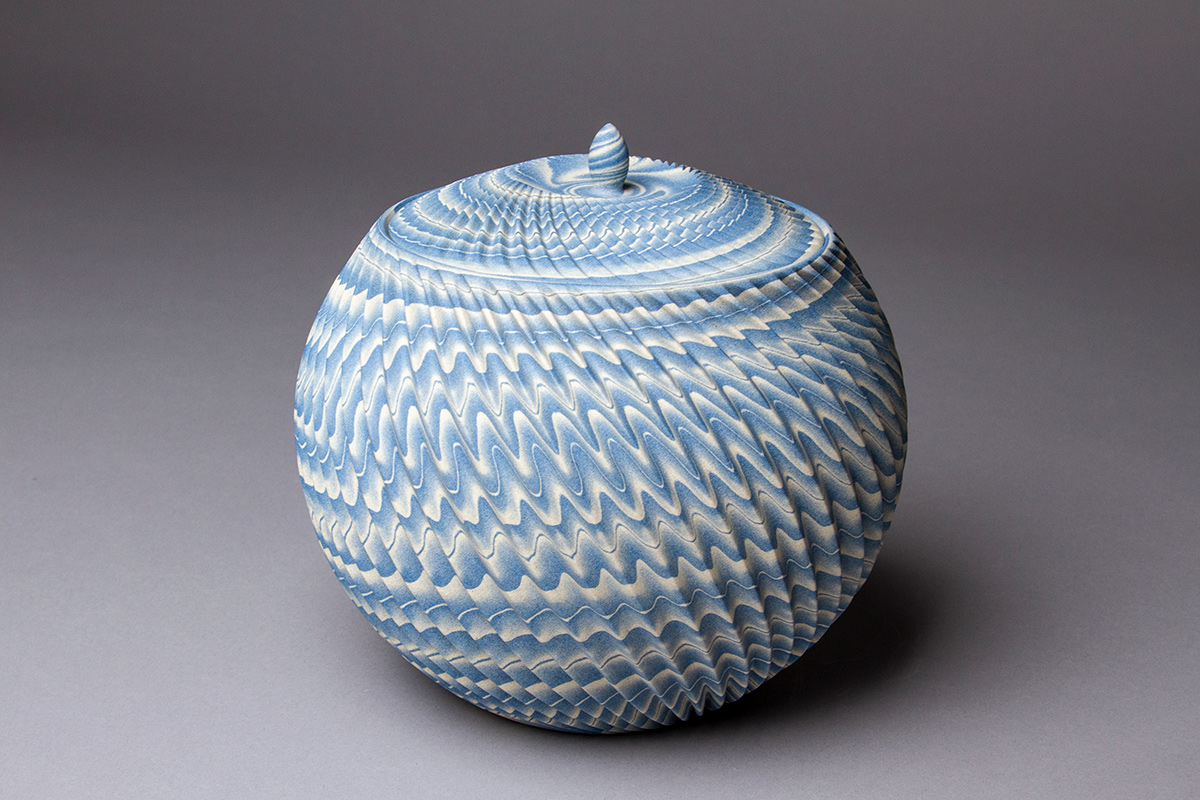
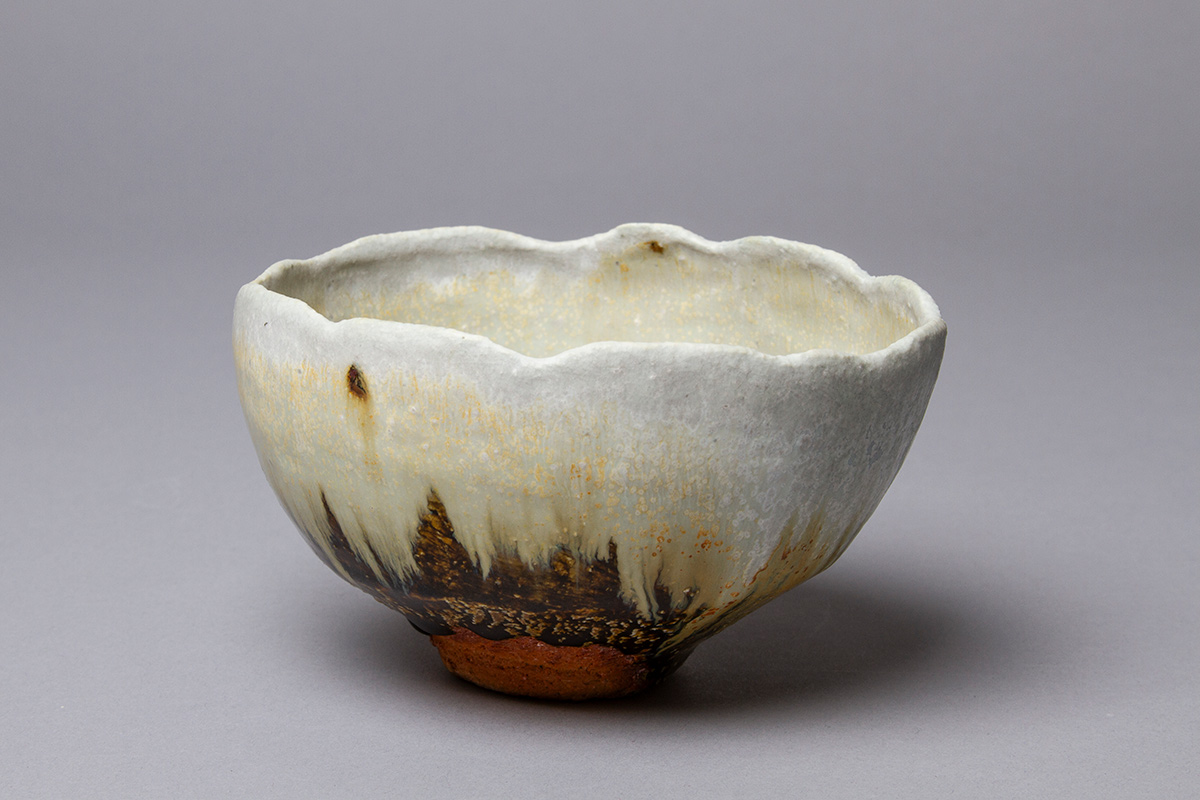
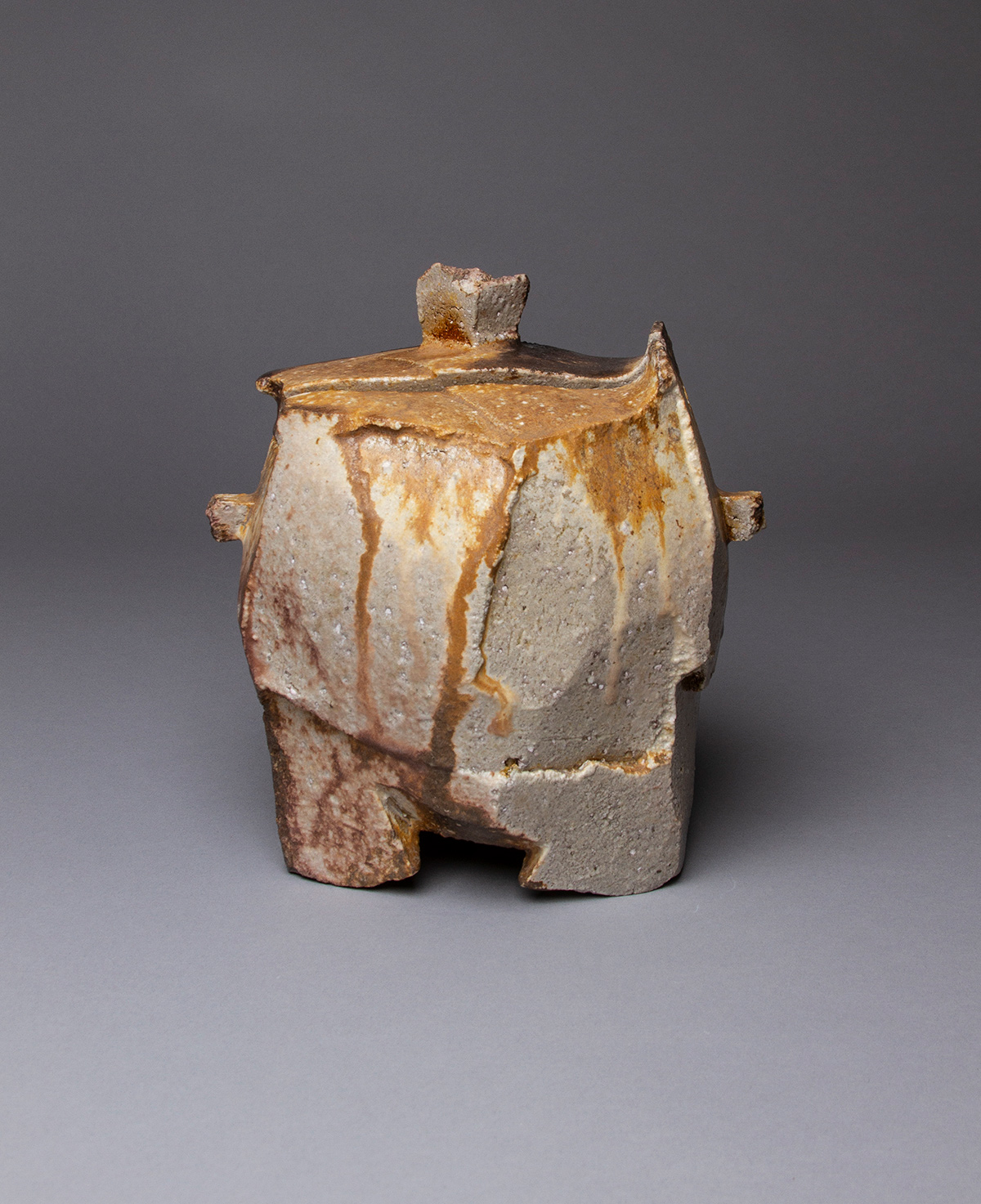
Drawn from the renowned collection of Carol and Jeffrey Horvitz, Chanoyu: Modern Tea Ceramics from the Horvitz Collection brings together a selection of Japanese tea bowls (chawan) and water jars (mizusashi) that embody the quiet power and refined sensibility of the tea ceremony and Japanese aesthetics. Spanning the twentieth century to the present, these works highlight the enduring vitality of ceramic traditions such as Bizen, Shigaraki, Karatsu, and Oribe, while also showcasing the experimental approaches of contemporary artists. Subtle variations in form, texture, and glaze invite close looking and contemplation.
Works by artists such as Kanjirō Kawai, Kazuo Yagi, and Jun Isezaki help illuminate the remarkable range of modern Japanese ceramics. A central figure in the Mingei (folk craft) movement, Kanjirō Kawai brought together the beauty of everyday objects, historical ceramic traditions, and an increasingly modern visual language, profoundly influencing the development of Japanese studio ceramics. Kazuo Yagi, a founding member of the avant-garde Sōdeisha group, challenged the boundaries between pottery and sculpture, helping establish ceramics as a medium for contemporary artistic expression in Japan and internationally. Jun Isezaki, a celebrated master of Bizen ware and Living National Treasure, demonstrated how an ancient ceramic tradition could be renewed through experimentation with form, scale, and the unpredictable effects of wood firing. Their work connects the intimate world of chanoyu with the broader history of modern and contemporary art, demonstrating how Japanese ceramics have continually negotiated tradition and innovation.
Chanoyu reveals how function and aesthetics are inseparable within the practice of tea, where each object plays a vital role in shaping an experience grounded in seasonality, materiality, and human touch. The Horvitz collection, assembled with exceptional care and connoisseurship, emphasizes both lineage and innovation, pairing works by important modern masters with those of living artists. This exhibition offers a meditation on the beauty of imperfection and the expressive potential of clay, illuminating the continuing evolution of Japanese ceramic art.