Among the Beasts: Wild, Tamed & Imagined
October 28, 2026 - January 31, 2027

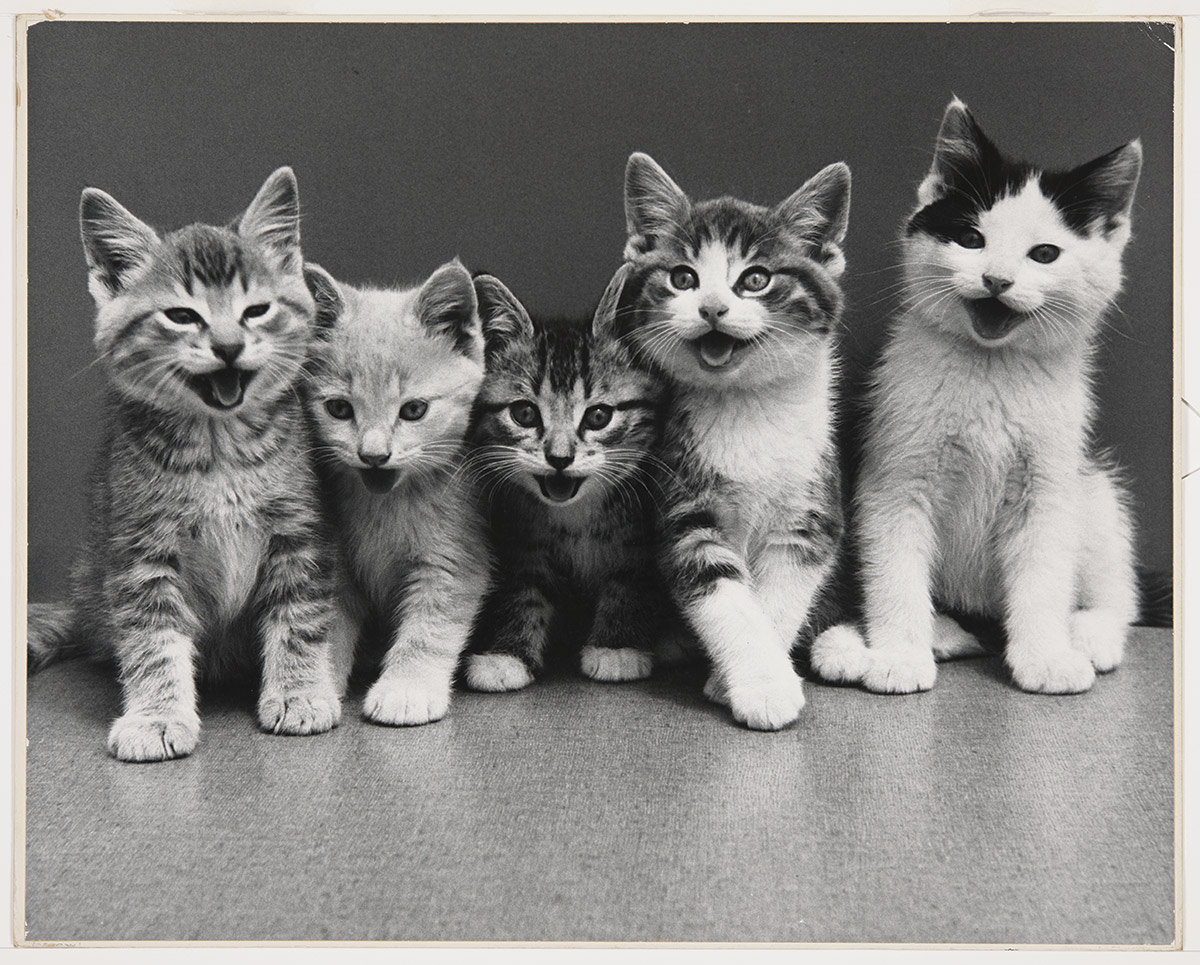
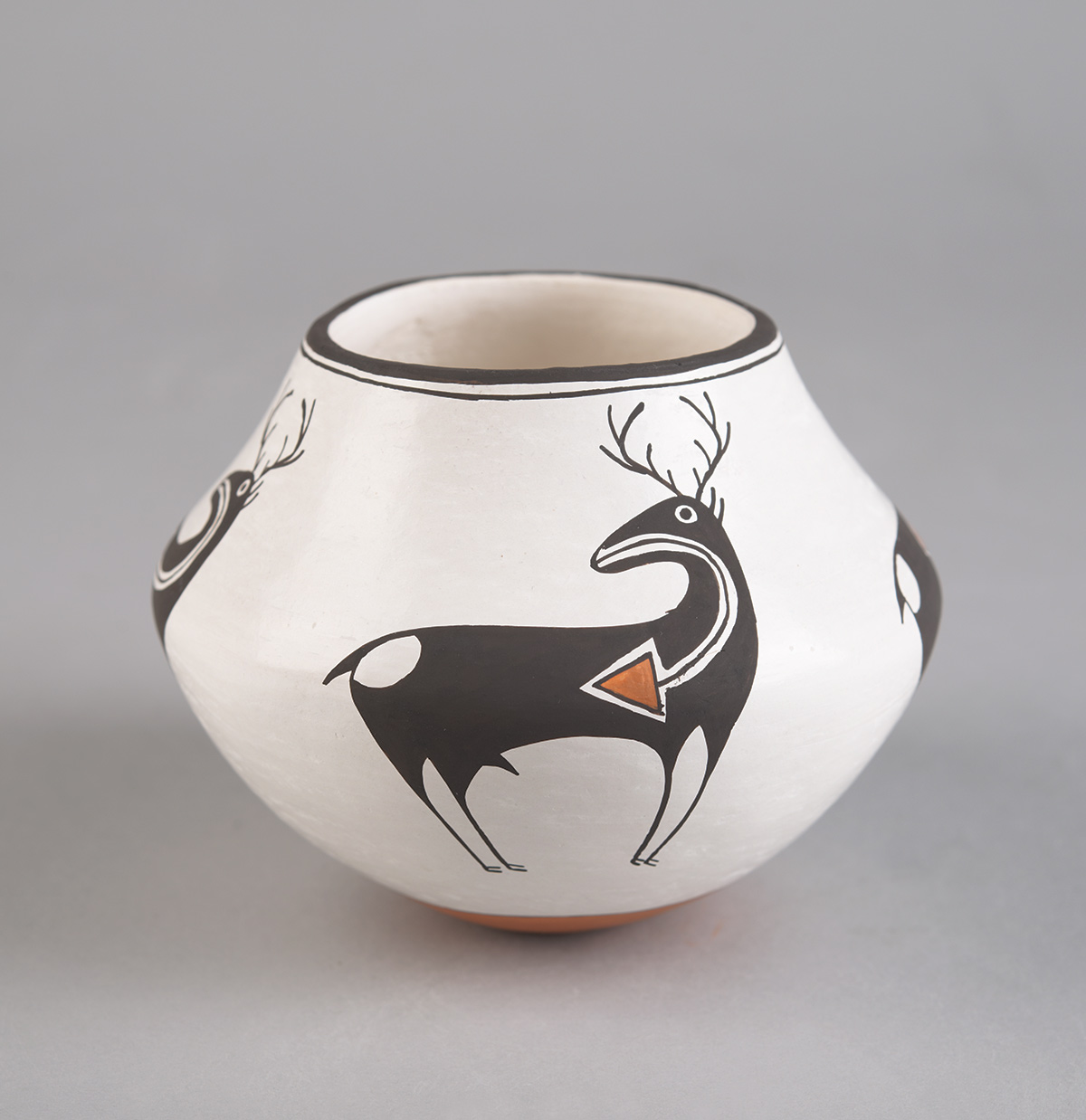
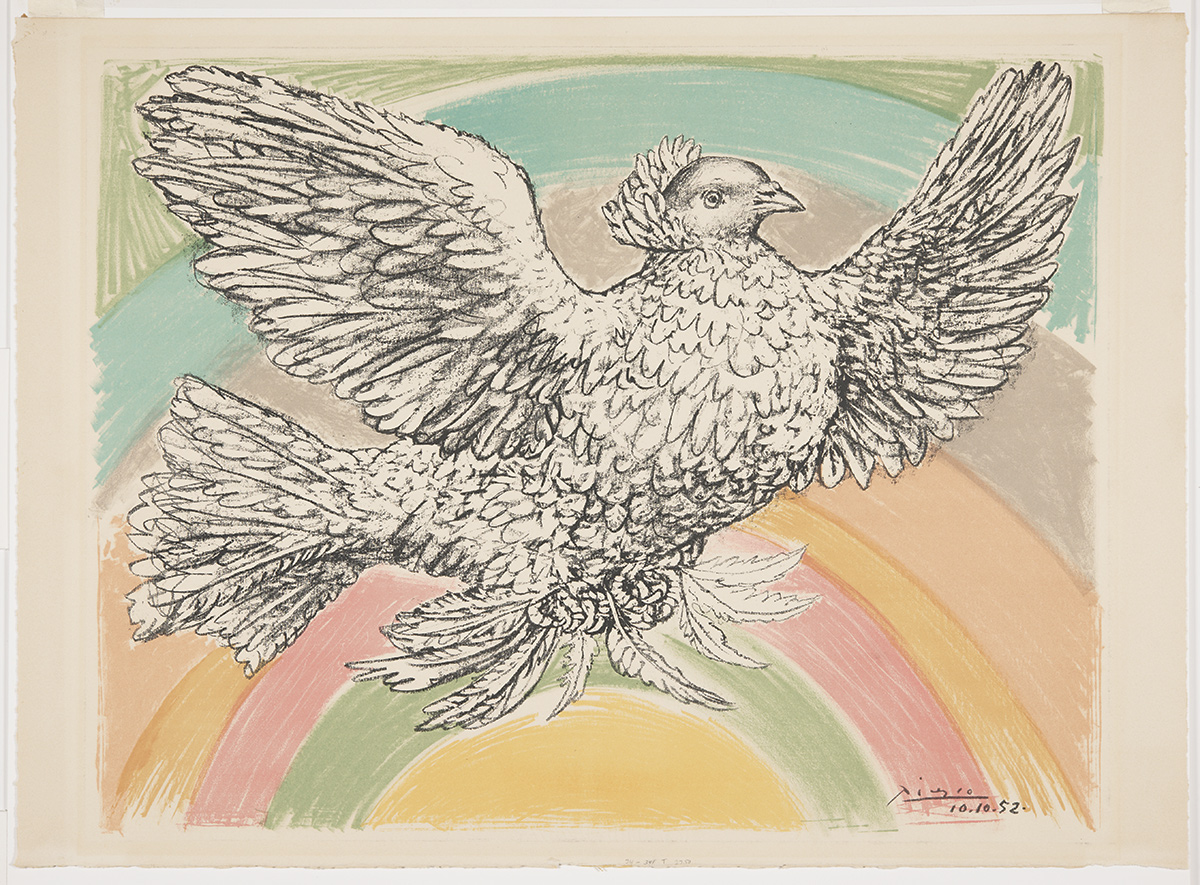
Among the Beasts: Wild, Tamed & Imagined explores the many roles that animals have played in artistic expression for millennia. Through diverse media, artists have depicted animals as subjects of labor and companionship, symbols and recordings of the natural world and spiritual beliefs, and figures of our imagination, traveling between reality and myth. Organized into three thematic sections—wild, domesticated, and fantastical—Among the Beasts traces how cultural values, environmental perspectives, and cultural traditions shape these representations.
Drawing entirely from the permanent collection of the Kalamazoo Institute of Arts, Among the Beasts spans centuries, continents, and vast artistic traditions. Ancient pre-Columbian gold pendants, Japanese netsuke, Chinese scrolls, African sculpture, European and American prints, and contemporary paintings and photographs reveal the remarkable diversity of ways animals appear in art. Across these cultures and time periods, animals have served as companions, sources of labor, symbols of power and spirituality, and embodiments of hopes, fears, and imagination. Among the Beasts explores how artists have looked to animals to express ideas about humanity’s relationship with nature, to celebrate and document the natural world, and to give form to stories that transcend everyday experiences. Together, these works demonstrate that animals are far more than artistic subjects—they are a mirror of human beliefs, identity, wonder, and creativity.